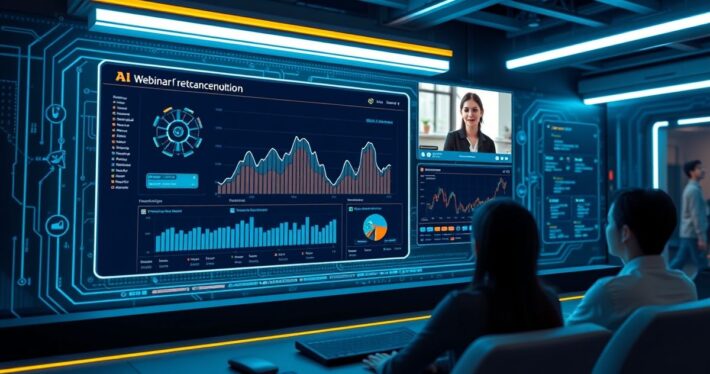
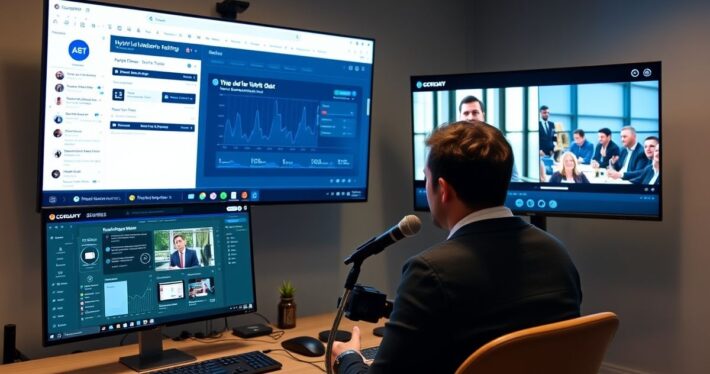
Enhancing attendee experience with AI-driven support features.
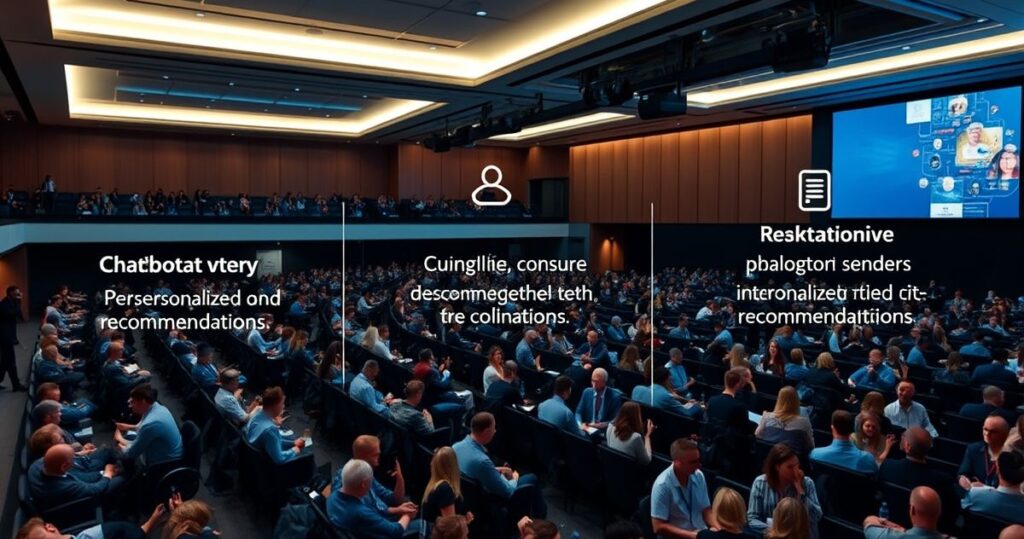
The Future of Events: AI-Driven Support Features
In the ever-evolving landscape of event planning and management, one thing remains constant: the need to enhance the attendee experience. Whether it’s a corporate conference, a virtual webinar, or a hybrid event, the success of any gathering hinges on how well attendees are engaged and supported. Enter AI-driven support features—a game-changer in the event industry. These tools are not just futuristic buzzwords; they are practical solutions that can significantly elevate the attendee experience, making events more interactive, personalized, and seamless.
Why AI-Driven Support Features Matter
Imagine attending an event where every question you have is answered instantly, where you receive personalized recommendations for sessions based on your interests, and where you can navigate the event effortlessly without needing to ask for directions. This is the promise of AI-driven support features. By leveraging artificial intelligence, event organizers can provide real-time assistance, personalized engagement, and streamlined operations that collectively contribute to a memorable attendee experience.
Key AI-Driven Support Features to Consider
Let’s delve into some of the most impactful AI-driven support features that can transform your events:
1. AI Chatbots for Real-Time Assistance
AI chatbots have become indispensable in the event industry. These virtual assistants can handle a myriad of tasks, from answering frequently asked questions to providing directions within the event venue. Unlike human staff, chatbots are available 24/7, ensuring that attendees receive instant support whenever they need it.
2. Personalized Content Recommendations
One of the challenges in large events is helping attendees navigate the plethora of sessions and activities. AI algorithms can analyze attendee profiles, preferences, and behavior to recommend sessions, workshops, and networking opportunities that align with their interests. This not only enhances the attendee experience but also increases engagement and participation.
3. Automated Scheduling and Reminders
AI can streamline the scheduling process by syncing with attendees’ calendars and sending automated reminders. This ensures that attendees don’t miss important sessions and can plan their day efficiently. Additionally, AI can suggest optimal times for networking breaks based on attendee availability.
4. Real-Time Language Translation
In international events, language barriers can be a significant hindrance. AI-powered real-time translation tools can break down these barriers, enabling seamless communication among attendees from different linguistic backgrounds. This feature is particularly valuable for virtual and hybrid events.
5. Sentiment Analysis for Feedback
AI can gauge attendee sentiment through real-time feedback and social media monitoring. By analyzing keywords and emotional cues, organizers can identify areas that need improvement and address concerns promptly. This continuous feedback loop ensures that the event evolves to meet attendee expectations.
Real-World Application: A Case Study
Consider the example of a global tech conference that implemented AI-driven support features to enhance attendee experience. The organizers deployed AI chatbots to handle registrations, answer FAQs, and provide real-time support during the event. Additionally, they used AI algorithms to recommend sessions based on attendees’ professional backgrounds and interests. The result? A 30% increase in session attendance and a 25% boost in attendee satisfaction scores. The event was hailed as one of the most well-organized and engaging tech conferences of the year.
Challenges and Considerations
While AI-driven support features offer numerous benefits, it’s essential to be mindful of potential challenges. Data privacy is a significant concern, as AI systems often rely on attendee data to function effectively. Event organizers must ensure that data collection and usage comply with relevant regulations and that attendees are informed about how their data will be used.
Another consideration is the balance between automation and human interaction. While AI can handle many tasks efficiently, human touch remains valuable, especially in complex or emotionally charged situations. Striking the right balance is key to providing a holistic attendee experience.
Practical Tips for Implementation
Here are some actionable tips for integrating AI-driven support features into your events:
- Start Small: Begin with one or two AI features, such as chatbots or personalized recommendations, and gradually expand based on feedback and results.
- Choose the Right Tools: Select AI tools that align with your event objectives and audience needs. Consider factors like ease of integration, scalability, and user experience.
- Train Your Team: Ensure your team is well-versed in using AI tools and can assist in managing and optimizing these features during the event.
- Collect Feedback: Use AI-driven sentiment analysis to gather attendee feedback and continuously improve your event experience.
- Ensure Data Security: Implement robust data protection measures to safeguard attendee information and build trust.
Conclusion
The integration of AI-driven support features is no longer a luxury but a necessity in the modern event landscape. By leveraging these advanced tools, event organizers can create a more engaging, personalized, and seamless experience for attendees. From real-time assistance to personalized recommendations and beyond, AI has the potential to revolutionize how we plan and execute events.
As we look to the future, the possibilities are endless. The key lies in thoughtful implementation, continuous improvement, and a commitment to enhancing the attendee experience at every touchpoint. So, are you ready to embrace AI-driven support features and take your events to the next level? The future of events is here, and it’s powered by artificial intelligence.